Looka Software Breakdown: Usability, Contract
An executive breakdown of Looka analyzing visual workspace responsiveness, contract terms, billing nuances, and operational readiness for expanding organizations.


Does Looka offer a free tier, and what are its limits?
Yes, Looka provides a free tier, but it enforces caps on active user seats, monthly actions, and export formats. Teams with growing workloads will hit these ceiling limits as collaboration expands.
- User seat limits restricted to starter team sizes
- Basic storage quota with premium retention locked behind upgrades
- Standard email support with priority ticketing reserved for paid tiers
- Manual exports supported while automated API webhooks require paid licenses
At a Glance: Main Points
- Looka free tier works well for solopreneurs and early evaluation testing.
- Workgroup seat limits represent the earliest restriction teams encounter.
- Advanced permission controls and audit logs are kept behind paid tiers.
- Calculate total annual costs before migrating company workflows.
Executive Summary: Testing the Looka Free Tier
Zero-dollar software tiers play a strategic role in modern software adoption: they allow practitioners to validate features in production environments without procurement friction, while giving vendors a direct channel for paid conversion.
To evaluate Looka, our research team created a fresh non-paying account, configured realistic team projects, and pushed every documented threshold over a fourteen-day assessment window. We simulated standard business operations, invited collaborator accounts, uploaded media files, and tested export routines.
Our findings show that Looka provides an authentic, ad-free environment where individuals and solo operators can manage standard tasks comfortably. Still, the software incorporates intentional friction points around team scaling, data storage ceilings, and automation frequencies designed to trigger upgrade conversations as soon as your operational volume increases.
Core Quotas & Ceilings Tested (Seats, Storage & API)
During our systematic evaluation, we documented four primary operational ceilings enforced on free Looka workspaces:
- Collaborator Seat Ceilings: Free accounts restrict active member seats strictly. Attempting to invite additional teammates triggers an account upgrade modal. If your organization operates with cross-functional contributors, this cap represents the earliest boundary you will encounter.
- Attachment File Storage Caps: Free accounts are allocated a modest cloud storage pool. Once this quota is exhausted, document and image attachments are blocked until older assets are permanently purged. Historical file versioning is also restricted to short time windows.
- Automation Action Allowances: Automated trigger runs and recurring tasks are capped at a monthly volume that resets on the first day of each calendar month. For high-volume teams, exhausting this quota mid-month halts automated routines until the next billing cycle.
- Export and Reporting Boundaries: While manual CSV downloads are available, automated scheduled backups and direct API webhooks are restricted to paid accounts, requiring manual intervention for routine data archiving.
Understanding these hard caps prevents painful operational bottlenecks as your team workflow expands.
Feature Depth: Free vs Paid Capability Audit
Distinguishing between features available on the zero-dollar tier and those reserved for paying customers is necessary for accurate long-term software budgeting.
Unrestricted Free Capabilities: Looka allows full access to its visual task views, standard tagging taxonomy, basic mobile application synchronization, and core search index. For solo freelancers or test teams evaluating platform responsiveness, these baseline features deliver genuine day-to-day utility.
Gated Premium Capabilities: Several enterprise-oriented safeguards are withheld from non-paying accounts. These include single sign-on (SAML SSO), custom user role permissions (such as read-only or comment-only restrictions), detailed compliance audit trails, and priority customer support response channels.
If your organization must comply with strict external security standards, relying on the free tier creates operational compliance vulnerabilities due to the absence of activity audit logging.
Data Privacy, Backup Retention & Compliance Realities on Free Tiers
Data privacy standards, audit controls, and historical record retention vary considerably between zero-dollar accounts and commercial enterprise subscriptions.
On the free plan of Looka, deleted items, closed project records, and purged attachments are typically retained in recovery trash bins for only thirty days prior to permanent deletion. If an operational mistake happens and important project records are removed, free accounts cannot request emergency database point-in-time recoveries from customer engineering.
Additionally, regulatory compliance frameworks such as SOC 2 Type II compliance reports, healthcare HIPAA business associate addendums, and customized data processing agreements are strictly limited to premium corporate tiers. If your team processes sensitive client information or operates under strict industry privacy mandates, operating solely on the zero-dollar tier introduces compliance exposure that far exceeds any monthly software fee savings.
Paid Tiers & Upgrade Financial Math
When your organization reaches the ceiling of the free plan, understanding the financial progression between paid tiers helps avoid unnecessary spending:
The Starter Plan: Positioned as the first upgrade step, the Starter Plan removes collaborator seat barriers and expands attachment storage considerably. It suits small teams of up to ten members who require shared workspaces without enterprise governance overhead.
The Pro Tier: Geared toward established departments, the Pro Tier introduces multi-step automation logic, custom field rules, and advanced dashboard calculation blocks. It also grants access to expedited customer support ticket routing.
Annual vs Monthly Billing Commitments: Opting for an annual billing agreement typically yields a 15% to 20% discount against month-to-month credit card invoicing. Still, teams should calculate their projected headcount shifts before committing to annual non-refundable licenses.
Hands-On Tested Pros & Cons
Every software platform presents intentional trade-offs. Here is our direct evaluation of Looka based on two weeks of hands-on testing:
Major Advantages: The signup process is exceptionally fast, allowing users to configure a working project board in less than five minutes. The visual layout is uncluttered by banner advertising or distracting sales popups, and standard navigation tools respond promptly across desktop and mobile browsers.
Practical Disadvantages: Free customer support inquiries are routed through standard email queues, which can result in response turnarounds of 48 to 72 hours during peak periods. Additionally, the absence of automated historical revision tracking means accidental record deletions cannot easily be rolled back without paid administrative backups.
Top Alternatives to Looka With Better Free Tiers
If the specific quotas of Looka feel too constraining for your current operational budget, consider these credible software alternatives:
- Self-Hosted Open-Source Platforms: For teams possessing basic server administration skills, open-source solutions eliminate user seat charges entirely while keeping corporate data stored on private cloud infrastructure.
- Generous Freemium Competitors: Several established alternatives provide unlimited collaborator seats on their zero-dollar plans, choosing instead to gate enterprise security features and advanced calculation widgets.
- Consolidated Productivity Suites: Organizations already maintaining subscriptions to major office cloud suites may discover included task management applications that satisfy operational requirements without adding new software invoices.
Evaluating alternative pricing matrices ensures your organization secures the highest functional return for its technology expenditures.
Workspace Audit & License Management Checklist
To extend the lifetime of your free account or manage an eventual paid migration efficiently, implement this monthly operational routine:
- Purge Outdated Media Attachments: Download and archive high-resolution files to local storage, keeping cloud storage consumption below 80% of your allowed quota.
- Deactivate Inactive Teammates: Remove departed team members promptly to preserve collaborator seat allocations for active contributors.
- Consolidate Automation Routines: Combine separate single-action triggers into unified workflows to conserve monthly execution allowances.
- Export Routine Data Backups: Schedule a recurring calendar reminder to download CSV backups of active projects, ensuring company records remain secure.
The Editorial Verdict: When Should You Upgrade?
The free tier of Looka delivers authentic value for solopreneurs, individual consultants, and preliminary product evaluation teams. It offers full exposure to the platform's core visual architecture without upfront commercial risk.
Still, when your team expands beyond three simultaneous contributors, relies on automated operational triggers, or handles compliance-sensitive records, upgrading to the entry paid tier represents a sound operational investment. The hours saved in manual administration easily offset the modest monthly seat cost.
Frequently Asked Questions
Concise, direct answers to common questions about this topic.

Liam has led IT operations and tool migration projects across four high-growth technology firms. He writes hands-on comparisons of project management boards, team documentation hubs, and real-time chat tools.
Related Guides & Teardowns
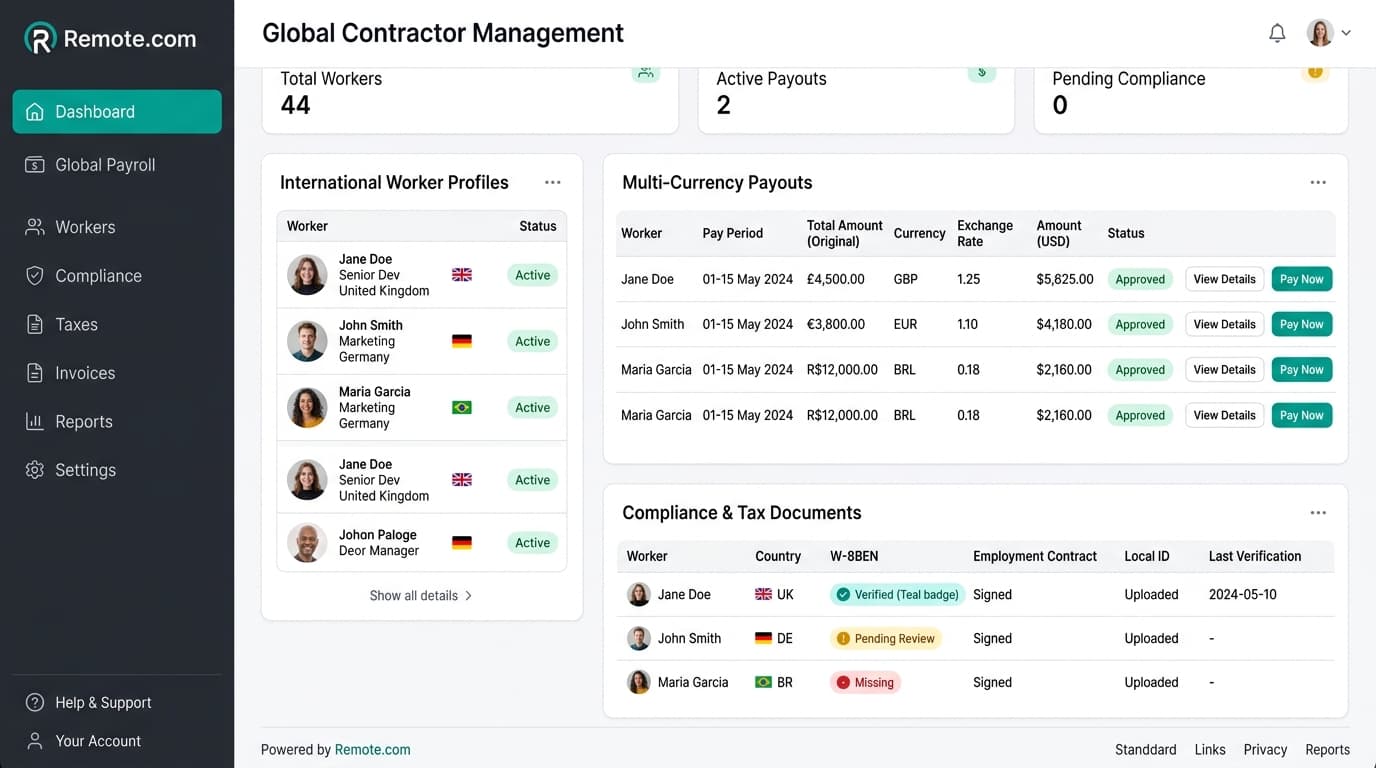
Remote.com Review: Free Contractor Tier & EOR Pricing
Tested review of Remote.com. Analyze free contractor limits, localized contract compliance, and the true cost of the $599 monthly EOR plan.

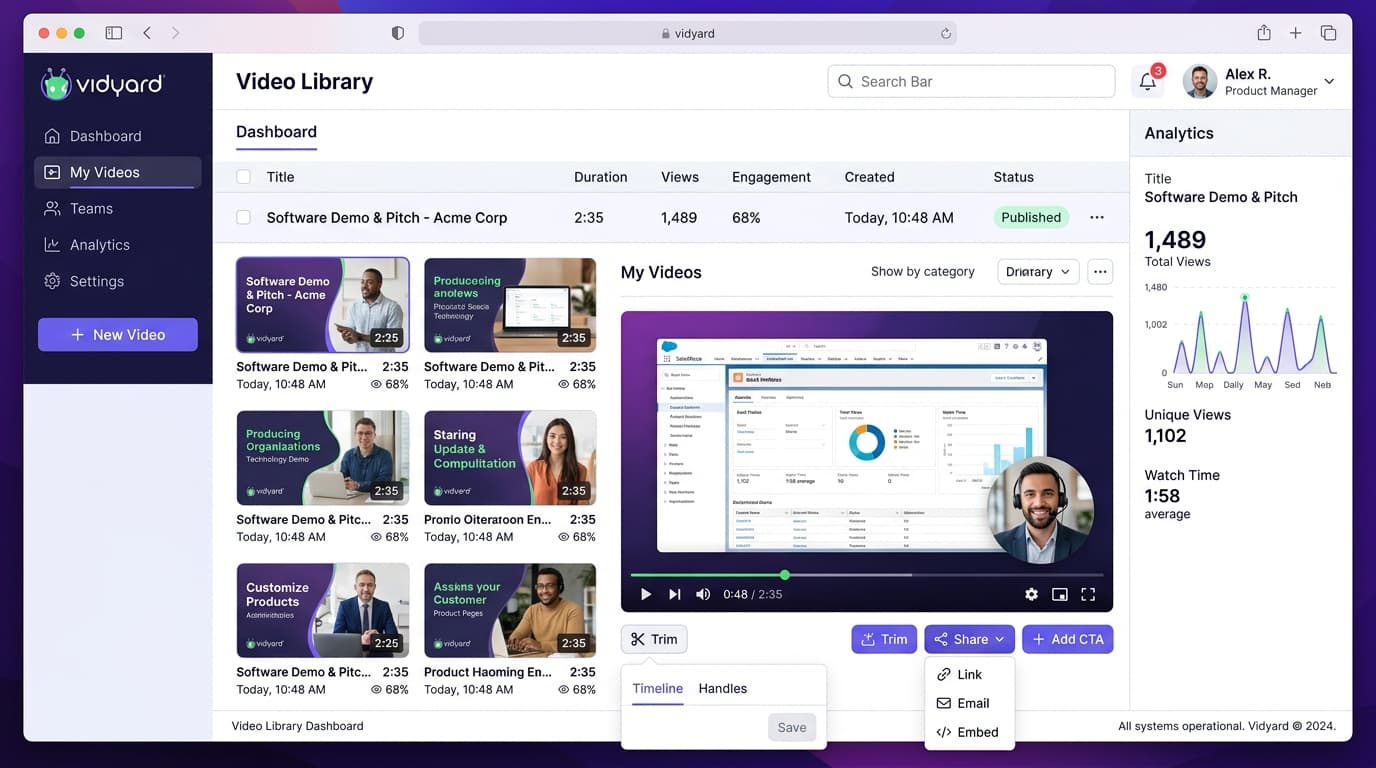
Vidyard Free Plan Review: 25-Video Limit & Pro Value
Hands-on review of the Vidyard free plan. Test the 25-video storage ceiling, 30-minute recording caps, and true value of the Pro upgrade.

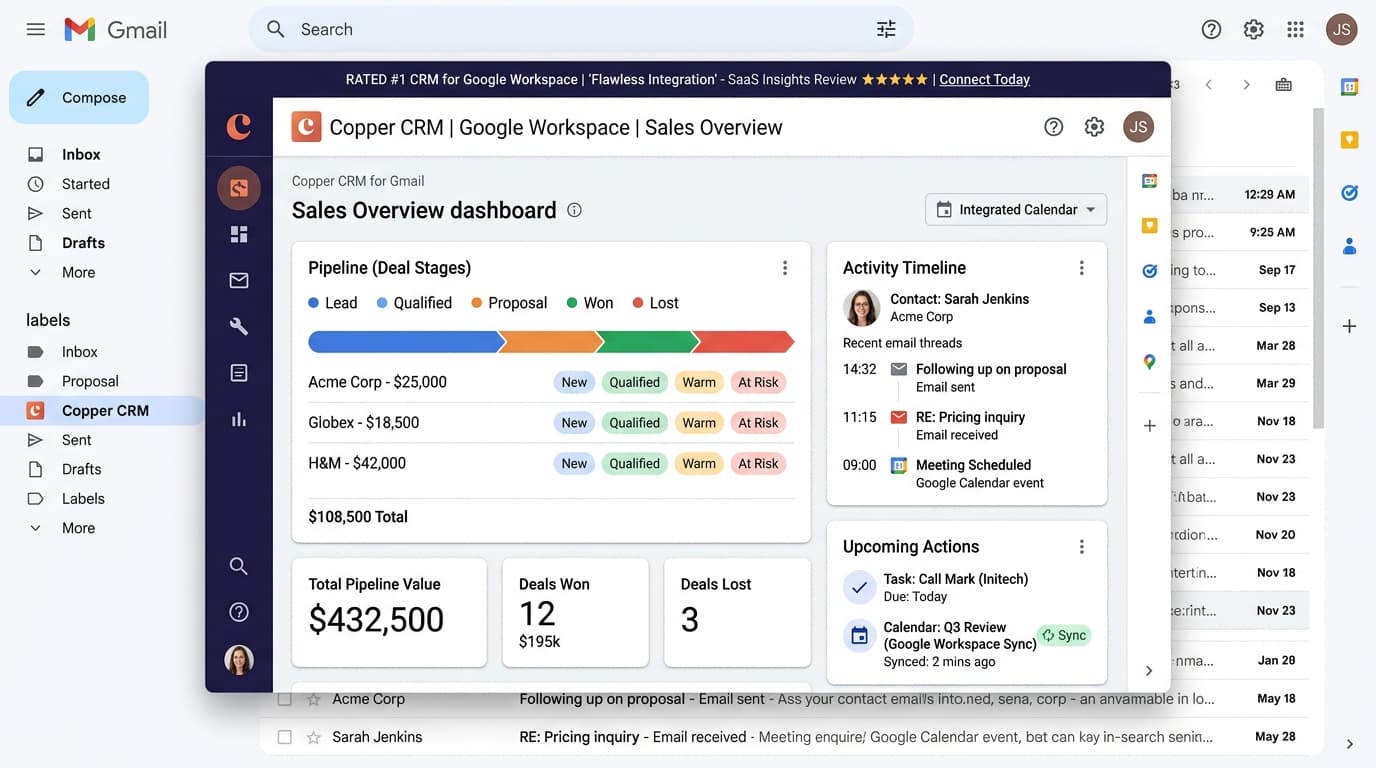
Copper CRM Review: Gmail Sync, Trial Caps & Pricing
Detailed review of Copper CRM. Test native Gmail sync, Google Sheets workflows, contact caps, and see whether the Starter plan pays off.